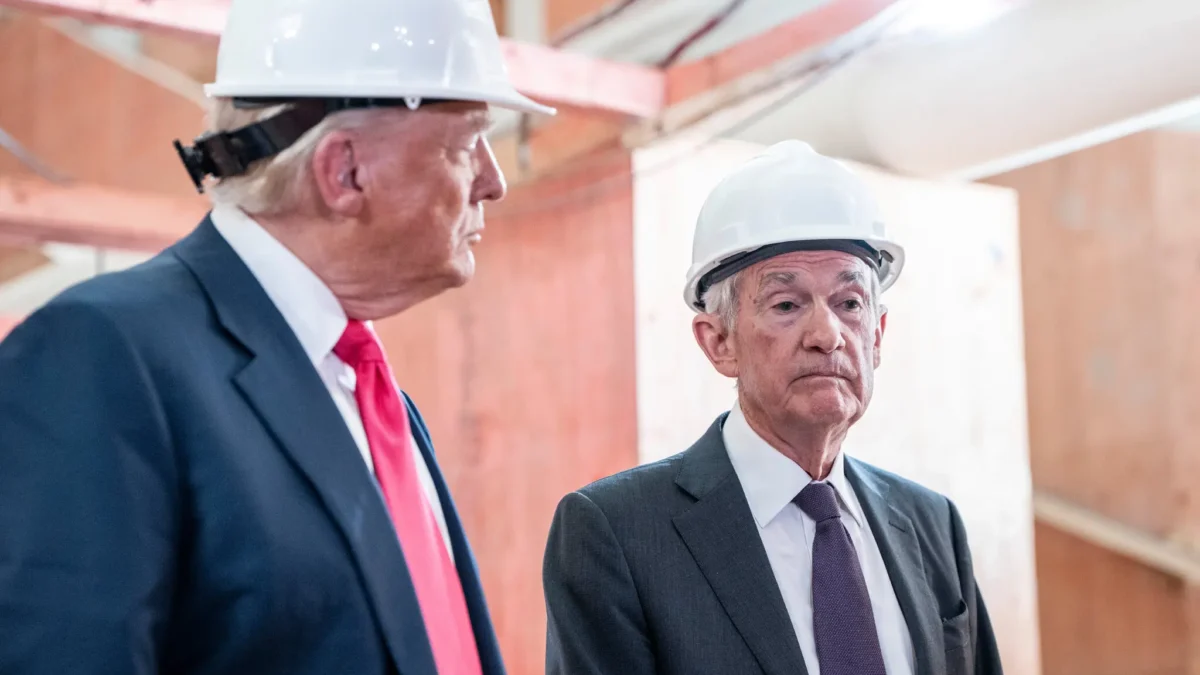

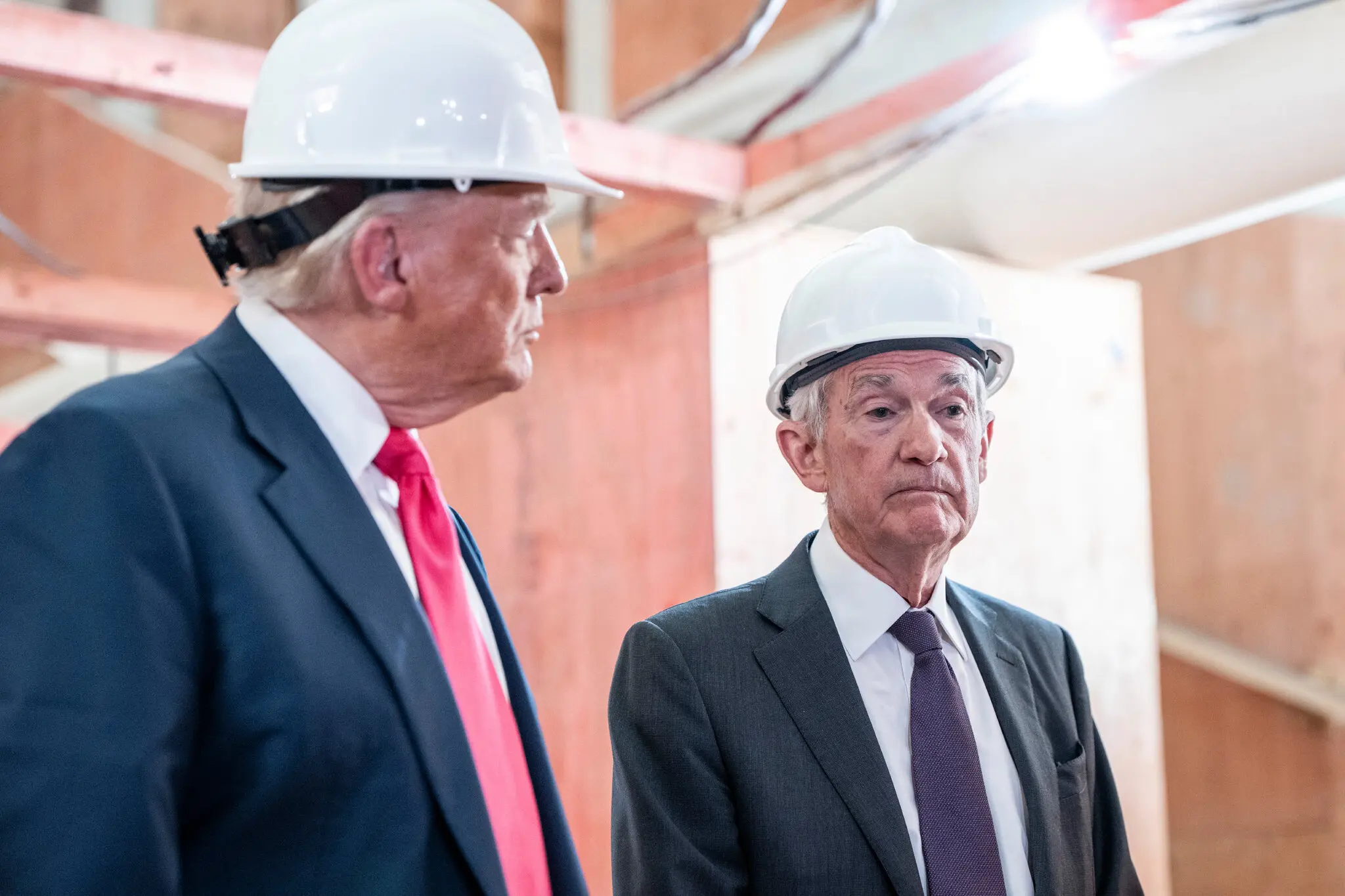
The independence of the American financial system faced its most severe test yet this weekend. Following a bombshell report from The New York Times, it has been confirmed that the Department of Justice has opened a criminal investigation into Federal Reserve Chair Jerome Powell.
This isn’t just about a building; it’s a high-stakes showdown that could redefine the U.S. economy for the rest of 2026.
The Core of the Allegation: A Headquarters Headache
The probe centers on the massive renovation of the Fed’s historic Washington D.C. headquarters. Prosecutors, reportedly approved by Trump-appointed U.S. Attorney Jeanine Pirro, are investigating whether Powell lied to the Senate Banking Committee last June regarding the project’s scope.
- The Budget: Originally estimated at $2.5 billion.
- The Discrepancy: Allegations suggest cost overruns of roughly $700 million and the inclusion of “luxury” features (like private elevators and rooftop terraces) that critics claim Powell downplayed in his testimony.
Powell’s Defiant Stand: “A Pretext for Pressure”
In an extraordinary move, Chair Powell released a blistering statement Sunday night. He didn’t just deny the charges—he called out the White House directly. Powell argued that the grand jury subpoenas served on Friday are a “pretext” to punish the Fed for refusing to slash interest rates as aggressively as President Trump has demanded.
“The threat of criminal charges is a consequence of the Federal Reserve setting interest rates based on our best assessment of what will serve the public, rather than following the preferences of the president.” — Jerome Powell
Why 2026 is the “Breaking Point”
This investigation arrives at a perfect storm of economic and political timing:
- The May Deadline: Powell’s term as Chair expires in May 2026. This probe effectively sidelines him during the final months of his leadership.
- Market Volatility: Stock futures reacted instantly, with the Dow and S&P 500 sliding as investors fear a “politicized Fed” could lead to runaway inflation or a weakened U.S. Dollar.
- The Successor Race: Trump has already signaled he has chosen a replacement. By casting a shadow over Powell’s tenure, the administration clears the path for a “loyalist” appointment that could fundamentally change how interest rates are set.
What This Means for You
If the Federal Reserve loses its perceived independence, the “safe haven” status of the U.S. Treasury could be at risk. For everyday investors, this means keeping a close eye on Gold, Bitcoin, and International Equities as hedges against a potentially volatile transition in U.S. monetary policy.

Stay connected