
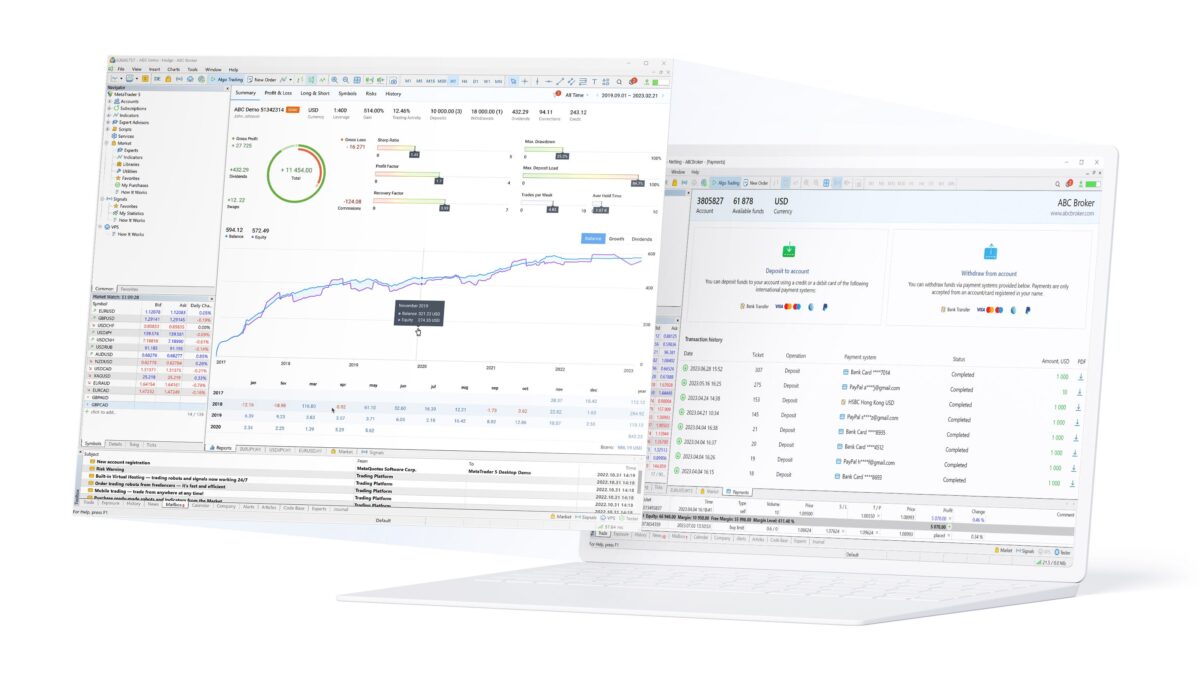

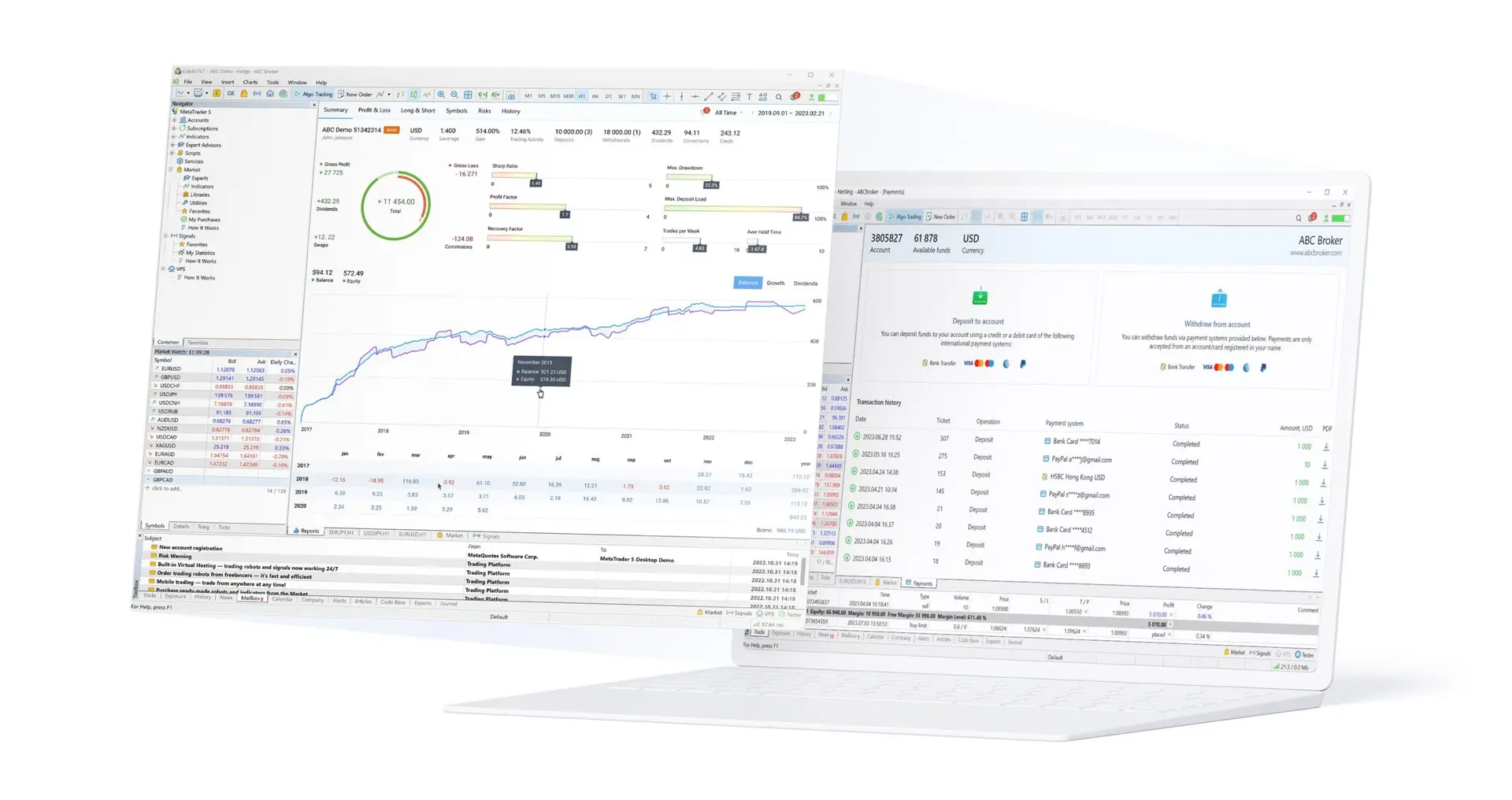
In the hyper-competitive landscape of January 2026, the definition of a “successful trader” has shifted. It is no longer enough to have a good strategy; you must have the infrastructure to execute it. As Metatrader5.live continues to track global market shifts, one trend has become undeniable: professional traders are abandoning single-threaded legacy systems in favor of high-performance, multi-threaded environments.
If you are still trading on a setup optimized for the 2010s, you aren’t just at a disadvantage—you are likely losing money to “invisible” execution gaps.
1. The Power of the Multi-Threaded Strategy Tester
The most significant architectural advantage of MetaTrader 5 in 2026 is its multi-threaded Strategy Tester. Unlike the single-threaded nature of its predecessor, MT5 can utilize the full power of modern multi-core CPUs.
- Parallel Optimization: Instead of testing one parameter combination at a time, MT5 can distribute thousands of combinations across all available processor cores simultaneously.
- Real Tick Data Precision: The tester utilizes real tick data for more realistic intraday simulations, which is essential for the high-volatility environments seen in early 2026.
- Distributed Network Agents: Professional traders can even leverage remote “agents” in the cloud to speed up heavy backtesting tasks that would take days on a standard local machine.
2. Infrastructure as a Strategy
In 2026, execution quality is being treated as part of the trading strategy itself. Profitability is now heavily influenced by technical factors that many retail traders previously ignored:
- Latency (Fill Quality): During high-impact news events like CPI or NFP releases, every millisecond of delay increases the risk of slippage.
- Platform Reliability: Automated systems require 99.9% uptime to manage complex “grid” or “hedged” positions 24/5.
- CPU Throughput: Calculating 38+ built-in indicators across 21 timeframes requires a high-frequency CPU to prevent terminal “freezing” during extreme price spikes.
3. Beyond Forex: The Multi-Asset Mandate
The 2026 market is no longer just about currency pairs. Traders are increasingly seeking multi-asset access to hedge their portfolios against macro trends. MetaTrader 5 was built natively for this, supporting:
- Equities and ETFs: Trade individual stocks alongside your FX positions.
- Commodities & Metals: Essential for trading the current bull run in Gold (XAUUSD).
- Cryptocurrencies: Integrated liquidity allows for seamless crypto-asset management within a single platform.
4. How to Optimize Your Professional Setup
To fully capitalize on these features at Metatrader5.live, we recommend a three-step optimization approach:
- Migrate to a High-Frequency VPS: Ensure your server is co-located near your broker’s execution hub to achieve sub-1ms latency.
- Utilize Depth of Market (DOM): Use the built-in DOM features to see real-time bid/ask volume, allowing for more precise entries in thin markets.
- Audit Your Indicators: Ensure your custom tools are optimized for MQL5’s object-oriented architecture to avoid memory leaks during long-running sessions.

Stay connected