

Introduction
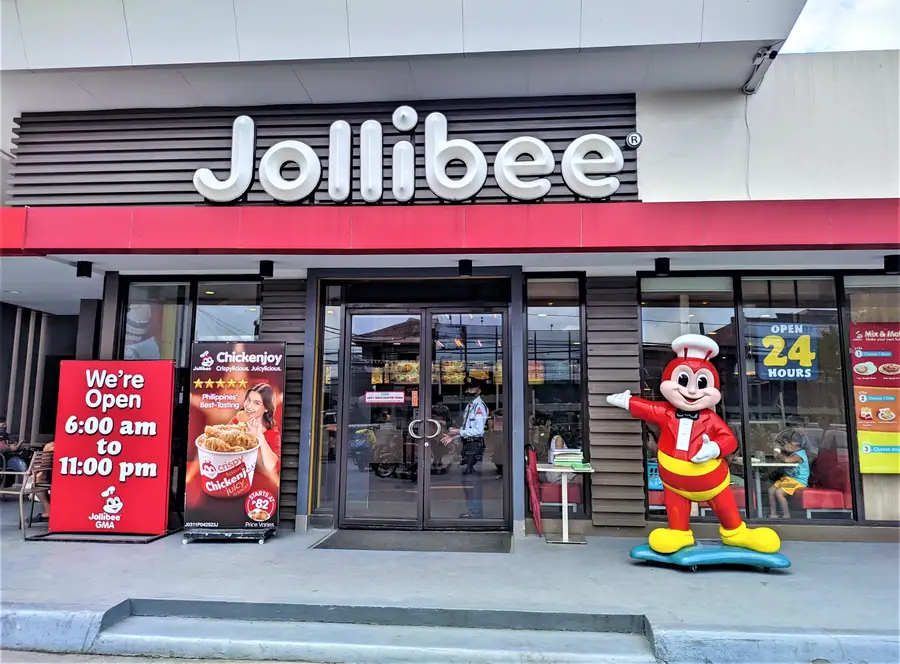
Jollibee is more than just a fast-food chain; it is a symbol of Filipino pride and resilience. What started as a small ice cream parlor in 1975 has grown into one of the world’s most successful fast-food brands, competing with industry giants like McDonald’s and KFC. With its signature dishes, strong brand identity, and deep cultural connection, Jollibee’s journey is a testament to visionary leadership and customer loyalty.
Humble Beginnings: The Birth of Jollibee
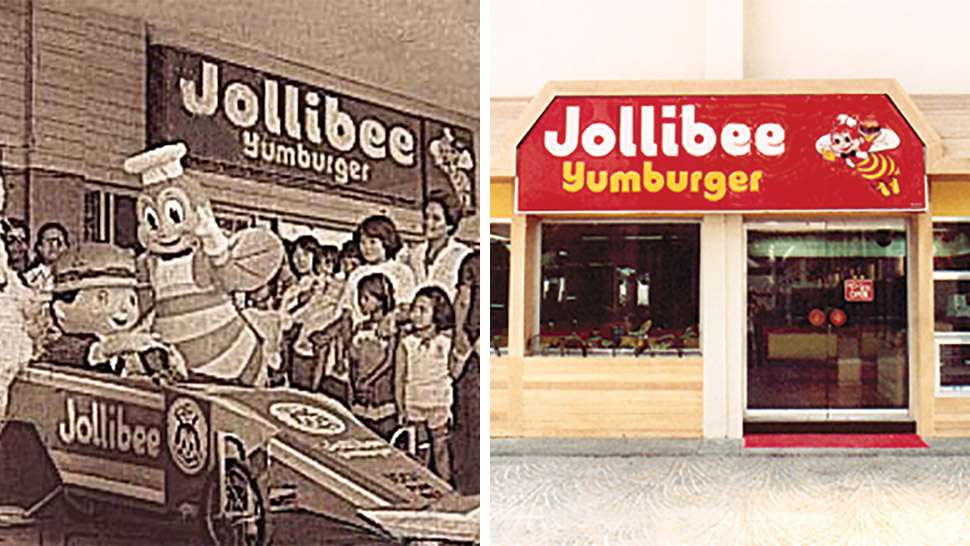
Jollibee’s story began in 1975 when Tony Tan Caktiong, a young entrepreneur, opened an ice cream parlor in Quezon City, Philippines. His business quickly gained popularity, but he noticed that customers were more interested in hot meals rather than just ice cream. This insight led him to pivot towards fast food, offering burgers, fried chicken, and spaghetti—dishes that would later define Jollibee’s menu.
In 1978, Jollibee was officially established as a fast-food restaurant, competing with international brands in the Philippine market. The brand’s early success was fueled by its unique menu, which catered to the Filipino palate, featuring a blend of sweet, savory, and crispy flavors.
Winning Over the Filipino Market
One of Jollibee’s biggest strengths was its ability to connect with the local market. Unlike foreign fast-food chains, Jollibee understood what Filipinos truly enjoyed. Some of its most famous offerings include:
- Jolly Spaghetti – A sweet-style spaghetti with a rich tomato sauce, hotdog slices, and cheese.
- Chickenjoy – Crispy, juicy fried chicken that became the brand’s flagship product.
- Yumburger – A classic burger with a signature sweet sauce.
Jollibee focused on affordable yet high-quality food, making it accessible to Filipino families. Its marketing campaigns also emphasized strong family values, with heartwarming commercials that resonated deeply with its audience.
Defeating McDonald’s in the Philippines
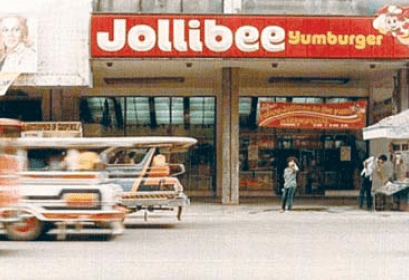
When McDonald’s entered the Philippine market in 1981, many thought Jollibee would struggle to compete. However, the opposite happened. Instead of being overtaken, Jollibee outperformed McDonald’s in the local market, maintaining its position as the No. 1 fast-food brand in the country.
Key factors behind Jollibee’s dominance:
- Local Flavor Advantage – Jollibee’s menu was customized to Filipino tastes, unlike McDonald’s, which initially focused on standard American flavors.
- Emotional Branding – Jollibee’s advertisements focused on Filipino values like family, joy, and resilience, making it a beloved household name.
- Strategic Expansion – Jollibee aggressively expanded its branches across the country, making it more accessible than its competitors.
Going Global: Jollibee’s International Expansion
After conquering the Philippines, Jollibee set its sights on the international market. It opened its first overseas branch in Brunei in 1987, followed by expansions in the Middle East, United States, Canada, and Europe.
The brand’s expansion strategy focused on serving Filipino communities abroad, ensuring that overseas Filipinos had a taste of home. However, Jollibee’s appeal soon extended beyond Filipinos, attracting a broader audience with its delicious and unique offerings.
Some key international milestones include:
- United States – Jollibee opened stores in cities with large Filipino populations, such as Los Angeles, New York, and Las Vegas. The brand later gained popularity among non-Filipinos due to social media and food influencers.
- Canada – Rapid expansion across major cities like Toronto, Vancouver, and Edmonton.
- Middle East – Successful entry into countries like Saudi Arabia, UAE, and Qatar, where there is a strong demand for Filipino food.
- United Kingdom & Europe – Entry into London, Rome, and Milan, targeting both Filipinos and local customers.
Acquisitions and Business Growth
Jollibee’s success didn’t stop with its own brand. To strengthen its global presence, Jollibee acquired and partnered with other food brands, including:
- Chowking (Chinese fast food)
- Greenwich (Pizza and pasta)
- Mang Inasal (Filipino grilled chicken)
- Red Ribbon (Bakery and cakes)
- Coffee Bean & Tea Leaf (International coffee chain)
- Tim Ho Wan (Hong Kong dim sum brand)
These acquisitions helped Jollibee diversify its portfolio, ensuring continuous growth in different food categories.
Overcoming Challenges
Jollibee’s journey to success was not without difficulties. The brand faced several challenges, including:
- Economic crises – The company had to navigate financial downturns, but its strong customer base helped it stay afloat.
- Pandemic impact – COVID-19 forced Jollibee to shift to online and delivery services, adapting quickly to changing consumer behavior.
- Global competition – Expanding internationally meant competing with well-established brands, but Jollibee differentiated itself through unique flavors and strong brand loyalty.
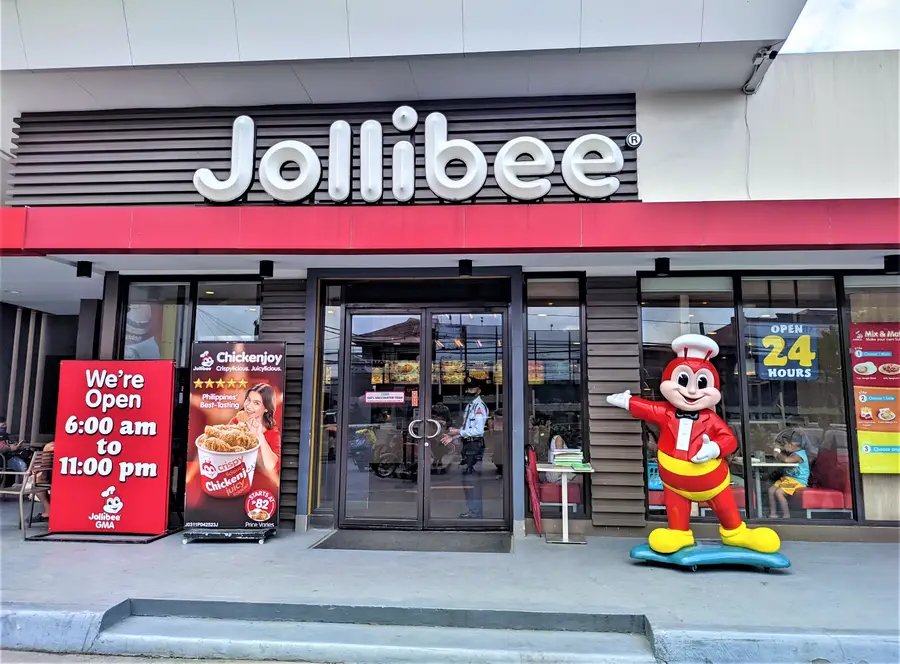
Jollibee Today: A Global Icon
As of today, Jollibee has over 1,500 stores in the Philippines and 300+ international branches. It continues to expand aggressively, bringing its signature Filipino flavors to more countries.
Jollibee’s success is a story of vision, adaptability, and cultural pride. What started as a small ice cream shop is now a multi-billion-dollar fast-food empire, proving that a homegrown brand can compete with the world’s biggest players.
Conclusion: The Secret Behind Jollibee’s Success
Jollibee’s journey from a small business to a global powerhouse is an inspiration to entrepreneurs worldwide. Its success can be attributed to:
✅ Understanding local tastes and preferences
✅ Emotional and family-oriented branding
✅ Consistent quality and affordability
✅ Strategic international expansion
✅ Smart acquisitions and diversification
Jollibee isn’t just about food; it’s about bringing joy and comfort to millions. And with its continuous growth, there’s no doubt that the “Bee” will keep buzzing worldwide for generations to come. 🐝🍗
What’s your favorite Jollibee meal? Let us know in the comments! 🚀🍔

Stay connected